


Custom Song Arrangements for Wedding Bands: A Couples Guide

Last Updated: November 21, 2026
Quick Summary
Custom song arrangements for wedding bands are rewritten versions of existing songs, adapted for a specific ensemble, singer and moment. They are not remixes or DJ edits, and a band performing them needs someone to write out the parts first. A custom arrangement typically takes several weeks from first request to first confident performance.
Most couples bring a list of ten to fifteen must-have songs for the band leader to sort by moment.
A mashup transition is often four to eight bars that carries the band from one song into the next.
Lock the brief twelve weeks out, confirming song, moment, lineup, key, and target length.
Arrangers often offer one or two rounds of revisions, so confirm the number in writing.
A five-piece band may only rehearse once a week, so a late chart can miss two rehearsals.
Want your first dance to sound exactly right?
SD Wedding Pro plans ceremony sound, reception music, and custom moments for Sioux Falls couples.
Table of Contents
What Custom Song Arrangements for Wedding Bands Actually Involve
Custom song arrangements for wedding bands are rewritten versions of existing songs, adapted for a specific ensemble, singer and moment. They are not remixes or DJ edits.
An arrangement is a piece of musical craft, and the band has to be able to play it. A song that works beautifully on a recording can fall flat when a band tries to recreate it live.
The difference between a cover, a remix, and a true arrangement
A cover is a performance of an existing song, close to the original. A remix is a studio production that reshapes recorded audio. A true arrangement is written music: parts assigned to specific instruments, a key chosen for the singer, a tempo set for the room, and an ending that lands.
That distinction matters when you hire. A band that plays covers can usually learn a new song from a recording. A band that performs custom song arrangements needs someone to write out the parts first.
Building a Custom Wedding Band Setlist Around Your Must-Have Songs
Start with the songs you cannot imagine the day without, then build the rest of the setlist around them. Most couples bring a list of ten to fifteen must-haves.

A common mistake is treating the setlist as a playlist. Playlists flow by genre and mood. A live setlist flows by energy: how the room feels at 7 p.m. versus 10 p.m.
For a deeper look at ceremony music choices, see our guide on how to customize wedding ceremony music.
Wedding Song Arrangement Ideas for the Ceremony, First Dance, and Reception
The ceremony, first dance, and reception each call for a different kind of arrangement. Ceremony music usually needs a slower tempo and a clean ending. A first dance needs a version the couple can actually dance to. Reception songs need energy and a strong finish.
Some practical directions that work well:
Processional: a familiar song slowed down and scored for a string quartet or a solo instrument, so the bridal entrance has room to breathe.
Bridal entrance: a short, distinct arrangement with a clear musical cue so the doors open on the right beat.
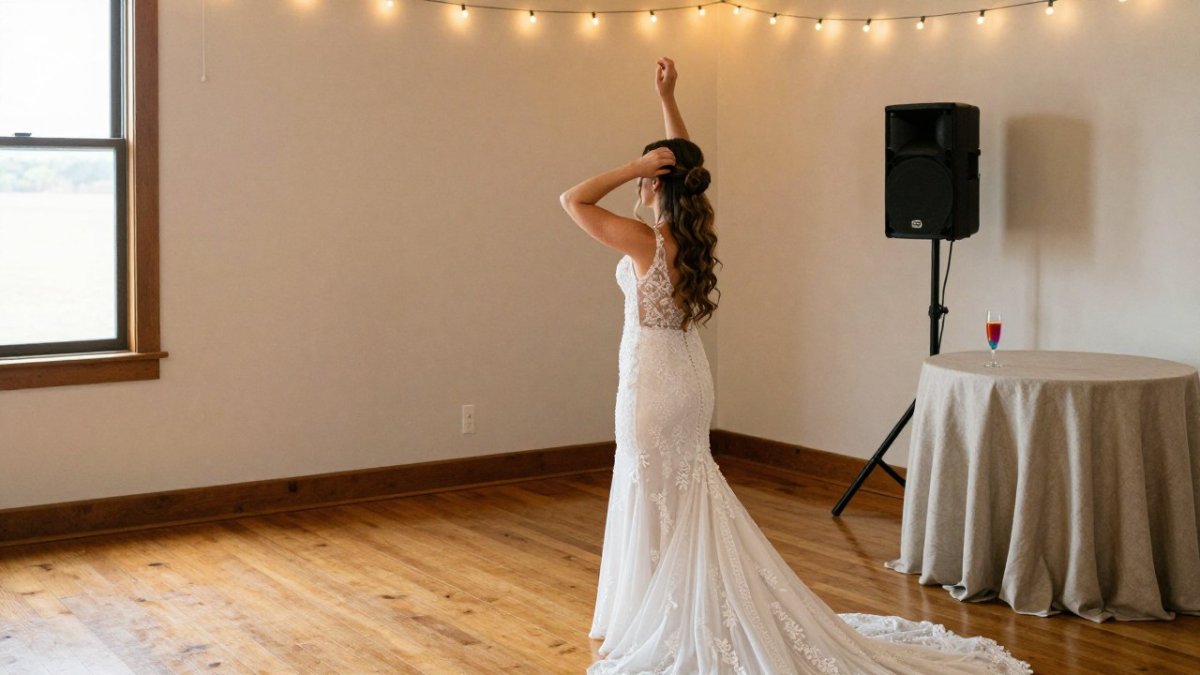
First dance: the original recording shortened to two to three minutes, or a live arrangement in a key that suits the couple's voices if they plan to sing.
Reception: a medley or mashup that moves through three or four songs without a break.
If you want fresh ideas for the party itself, our list of wedding reception music ideas covers what keeps a dance floor full.
How a Custom Wedding Song Mashup Works in Practice
A mashup combines two or more songs into one continuous piece. In practice, it works when the songs share a key or a tempo, or when the arranger writes a transition that bridges them.
The workflow is straightforward. You name the songs and the moment.
What most guides miss is that a mashup lives or dies on the transition, not the songs. Two great songs with a clumsy bridge sound worse than one great song played well.
Band Size and Instrumentation: What Your Ensemble Can Realistically Play
A small band and a large band can play the same song, but they often need different arrangements. Instrumentation sets the ceiling on what is realistic, and the arranger's job is to translate the original recording into parts your actual players can execute on the night.
Here is how the same song changes across common lineups:
Trio (guitar, bass, drums): the guitar carries rhythm, chords, and often the vocal melody's counterline; the bass covers the low end the original may have split between synth and bass; the drums hold the groove. Songs built on layered synths or a horn hook usually need the hook reassigned to guitar or dropped.
Four- or five-piece with keys: keys can cover string pads, synth leads, and piano parts, which opens up pop, soul, and modern country. The trade-off is stage volume and monitor mix complexity.
Band with a horn section: soul, funk, and Motown arrangements come alive, but horn parts must be written or transcribed, which adds arranger time and rehearsal reps.
String quartet for ceremony: beautiful for processional and bridal entrance, but a quartet will not drive a dance floor; plan a separate reception ensemble or a DJ transition.
When the original recording uses instruments the band does not have, a string section, a pedal steel, a choir, the arranger has three moves: reassign the part to the closest available voice (strings to keys, pedal steel to guitar), simplify it to a rhythmic or harmonic role, or cut it and let the vocal carry the moment. Ask your arranger which move they recommend and why; the answer tells you whether they have actually listened to your band.
Band-size constraints also affect cost and rehearsal time. More players means more parts to write, more charts to print, and more people to get in the same room, and a larger ensemble has fewer open rehearsal slots.
Watch out: a couple who books a trio for the ceremony and adds a horn player only for the reception can end up with two different arrangements of the same song. Decide up front which lineup plays which moment so the arranger writes one chart, not two.
A Realistic Timeline for Requesting an Arrangement
A custom arrangement typically takes several weeks from first request to first confident performance.
Twelve weeks out, lock the brief. Confirm the exact song, the moment it scores (processional, first dance, parent dance, last song), the exact band lineup including any guest musicians, the vocalist's comfortable key, and the target length in minutes and seconds. Write it down. A brief that lives in a text thread is the most common cause of a late rewrite.
Ten weeks out, first draft delivered. The arranger sends a score and, ideally, a rough demo recording. Listen to the demo on phone speakers, not studio monitors, that is how your guests will hear it. Note tempo, length, and the ending.
Nine weeks out, revision window. Arrangers often offer one or two rounds of revisions, so confirm the number in writing. Ask for changes in musical terms the arranger can act on: "thirty seconds shorter," "start the vocal a bar later," "end on the downbeat instead of a fade." Vague feedback like "make it more emotional" costs a week.
Six to eight weeks out, band rehearsal. The band reads the chart together, marks cuts, and settles the count-in and ending. This is the step couples underestimate: a five-piece band may only rehearse once a week, so a chart delivered late can miss two rehearsals before the wedding.
Two to four weeks out, cue confirmation. Walk the cues with your planner, MC, and sound engineer: who gives the downbeat, what the doors-open cue is, and what happens if the processional runs long. Confirm the backup plan if a player is ill.
Week of, sound check. The band runs the arrangement at the venue during load-in so levels and monitor mixes are set before guests arrive.
Watch out: a common failure is approving the arrangement by email without hearing the demo, then discovering at rehearsal that the key sits too high for the vocalist.
If you are still mapping out the wider planning calendar, our month-by-month wedding planning guide shows where music decisions fit alongside venue, catering, and attire.
Here is the general workflow for commissioning a custom arrangement, from locking the brief to the week-of sound check.
Timing | Step | What happens |
Twelve weeks out | Lock the brief | Confirm song, moment, lineup, key, and target length |
Ten weeks out | First draft delivered | Arranger sends score and ideally a rough demo |
Nine weeks out | Revision window | One or two rounds of revisions, confirmed in writing |
Six to eight weeks out | Band rehearsal | Band reads the chart, marks cuts, settles count-in |
Two to four weeks out | Cue confirmation | Walk cues with planner, MC, and sound engineer |
Week of | Sound check | Band runs the arrangement at the venue during load-in |
Licensing and Permissions for Arranging a Copyrighted Song
Most popular songs are protected by copyright, and creating a new arrangement generally requires permission from the copyright holder. In the United States, the rights to reproduce and to create derivative works are typically controlled by the publisher.
For a live wedding performance, the venue or band often holds a public performance license, but that is not the same as permission to arrange. For quick answers on how we approach permissions and copyrighted songs, see our frequently asked questions.
Sourcing Custom Song Arrangements for Wedding Bands Online
Online arrangers can deliver a score or a demo recording within a few weeks, which suits couples who already have a band lined up. The trade-off is that an online arranger never hears your band play.
When you evaluate an online service, ask for a sample arrangement in your band's instrumentation, confirm the turnaround time in writing, and check whether revisions are included.
If you are ready to move forward, you can download our free wedding reception planning guide with vendor questions and checklists built for South Dakota couples.
Bringing Your Arrangement to Life in Sioux Falls
The gap between a good arrangement on paper and a great one in the room comes down to the people performing it.
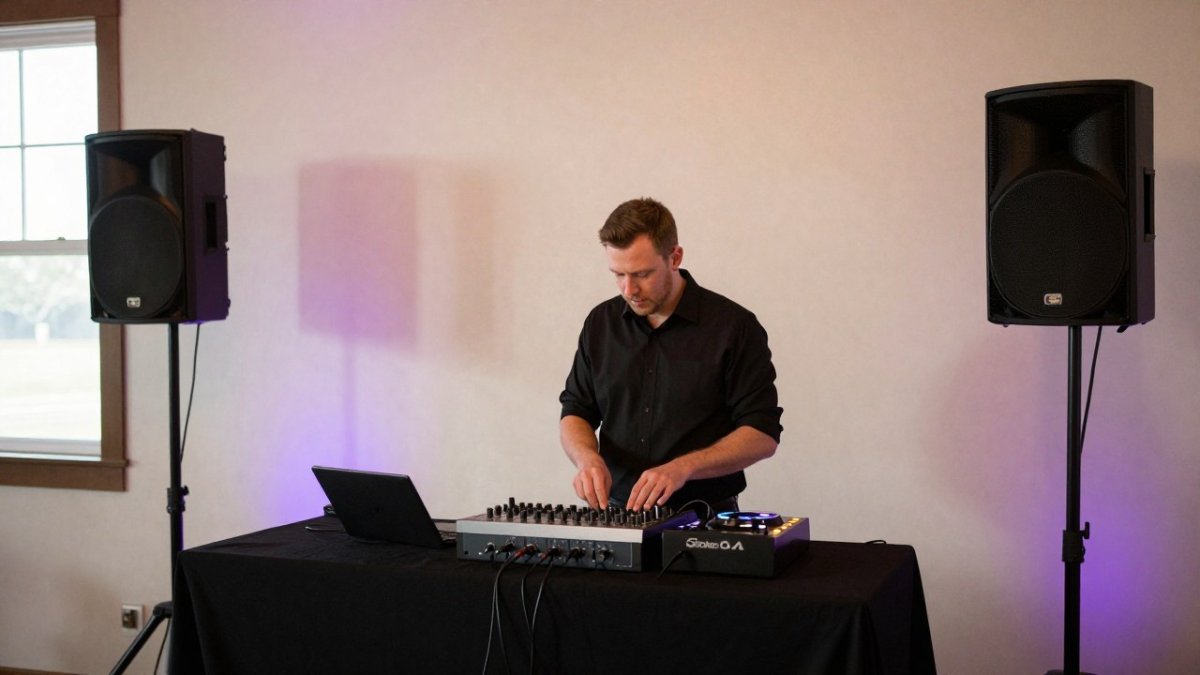
We provide ceremony sound, wireless microphones, reception entertainment, and dance-floor lighting. If you want help planning your first dance or processional, contact us.
Contact us today to check availability and request a quote.
Your wedding music should sound like you, not like a template.
Frequently Asked Questions
How much does it cost to have a custom song arrangement made for a wedding band?
Costs vary with the arranger, the song's complexity, and how many instruments are involved. A straightforward lead sheet or chord chart sits at the low end, while a full score for a five-piece band with vocal harmonies costs more and takes longer. Ask for a written scope before you commit.
Do you need permission to arrange a copyrighted song for a wedding band?
A live wedding performance is often covered by a venue's public performance licensing, so ask your venue and band how they handle it. Creating a written arrangement or transcription is a different matter: that touches the right to create a derivative work, which the copyright holder controls. In practice, most wedding bands prepare charts for one-off live performances without a formal license, but if you plan to record and distribute the arrangement, or post a professional video, get permission or a license first. Ask your band what they do for recorded material.
How far in advance should you request a custom wedding song arrangement?
Plan ahead for a custom arrangement, and allow more time if you want several, including a mashup. The work runs in stages: confirming the song and key, writing the chart, distributing parts, then rehearsing it as a group. Bands juggle multiple weddings, so a request that arrives two weeks out may be declined or rushed. If your song is obscure, add buffer time for sourcing accurate sheet music or a transcription, since the band may need to work it out by ear.
Can a wedding band adapt a song for its specific instruments and vocalists?
Yes, and this is where a custom arrangement earns its keep. A four-piece with guitar, bass, drums, and keys will voice a song differently than a string quartet or a horn-heavy outfit. The arranger picks a key that suits the lead vocalist's range, reassigns horn lines to keys or guitar, and adjusts tempo so the song works in a live room. Tell the band your non-negotiables, such as a specific tempo for your first dance.
Comments