

Event Sound DIY Tips: Master Your Own Setup Like a Pro

Setting up sound for an event can feel like trying to tame a wild beast. But trust me, with the right approach, you can turn that beast into a well-trained performer. Whether you’re planning a wedding, a corporate event, or a lively party, nailing the sound setup is key to making every moment unforgettable. I’ve gathered some solid event sound DIY tips to help you get the job done smoothly and confidently.
Getting Started with Event Sound DIY Tips
Before you dive into cables and speakers, it’s crucial to plan your sound setup carefully. Think of it like building a house - you wouldn’t start with the roof, right? Start with the basics:
Know your venue: Is it indoors or outdoors? What’s the size and shape? Sound behaves differently in each space.
Estimate your crowd size: More people means you’ll need more power and coverage.
List your equipment needs: Microphones, speakers, mixers, cables, and stands are the essentials.
For example, a small wedding reception in a cozy hall might only need two speakers and a simple mixer. But a large outdoor event? You’ll want multiple speakers spread out to cover the area evenly.
Choose the Right Speakers and Placement
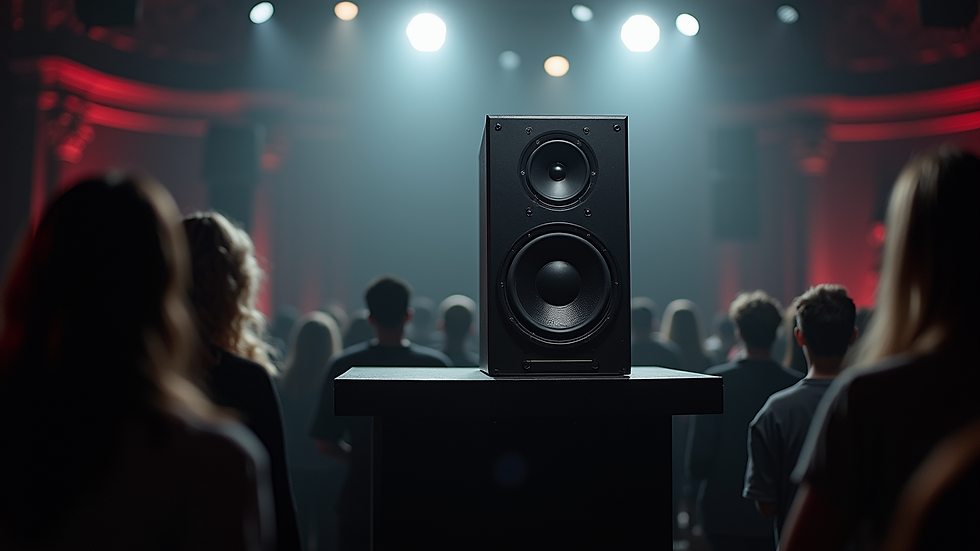
Speakers are the heart of your sound system. Picking the right ones and placing them correctly can make or break your event’s audio quality.
Powered vs. passive speakers: Powered speakers have built-in amplifiers, making setup easier. Passive speakers need an external amp but can be more flexible.
Speaker placement: Avoid placing speakers too close to walls or corners to prevent echo and distortion. Aim for ear level when possible.
Coverage: Use multiple speakers for large spaces to avoid dead zones where sound fades.
A good rule of thumb is to position speakers at the front corners of the event space, angled slightly inward. This helps create a wide sound field that reaches everyone.

Microphones and Mixing: The Sound Control Center
Microphones and mixers are your tools for controlling what the audience hears. Here’s how to get the best out of them:
Choose the right microphone: Wireless mics offer freedom of movement but can be prone to interference. Wired mics are reliable but limit mobility.
Test your mics: Always check for feedback and adjust volume levels before the event starts.
Use a mixer to balance sound: A mixer lets you control volume, tone, and effects for each input. Don’t be afraid to tweak settings during the event.
For example, if you have a speaker and a singer, use the mixer to balance their volumes so the speech is clear and the music complements it without overpowering.
Cables, Power, and Setup Safety
Nothing kills the vibe faster than a technical glitch. Here’s how to keep your setup safe and sound:
Use quality cables: Cheap cables can cause static and dropouts. Invest in good ones and label them for easy troubleshooting.
Manage cable runs: Tape down cables or use cable covers to prevent tripping hazards.
Check power sources: Make sure you have enough outlets and use surge protectors to safeguard your equipment.
Test everything: Run a full sound check before guests arrive to catch any issues early.
Remember, a neat and organized setup not only looks professional but also reduces the chance of accidents.

Tips for Troubleshooting On the Fly
Even with the best prep, things can go sideways. Here’s how to stay cool and fix problems fast:
Have backups: Extra batteries for wireless mics, spare cables, and a backup speaker can save the day.
Know your gear: Familiarize yourself with the equipment manual and controls.
Listen carefully: Walk around the venue during sound check to spot dead spots or feedback.
Adjust EQ settings: Sometimes cutting a frequency or two can clear up muddiness or harshness.
If feedback starts screaming at you, quickly lower the mic volume or move the mic away from the speaker. It’s like putting out a small fire before it spreads.
Wrapping Up Your Event Sound Setup Like a Pro
Setting up sound for an event doesn’t have to be a headache. With these diy event sound setup tips, you can create a flawless audio experience that keeps your guests engaged and your clients happy. Remember, preparation is your best friend. Plan ahead, test thoroughly, and stay flexible.
Sound is the invisible thread that ties an event together. When done right, it makes every laugh, cheer, and heartfelt word resonate perfectly. So grab your gear, roll up your sleeves, and get ready to rock your next event with confidence!
Happy sound setting!

Comments