

DIY Sound Setup Advice: Tips for Setting Up Event Sound Systems
- Arson Lively
- Mar 2
- 3 min read

Setting up a sound system for an event can be a daunting task, especially when aiming for flawless audio that enhances every moment. Whether you are organizing a wedding, corporate event, or a large party, understanding the basics of sound system setup is essential. This guide offers practical, easy-to-follow tips to help you create an unforgettable audio experience without professional help.
Essential DIY Sound Setup Advice for Event Success
Before diving into the technical details, it’s important to plan your sound system setup carefully. Start by assessing the venue size, audience capacity, and type of event. These factors will influence the equipment you need and how you position it.
Venue size and acoustics: Large halls require more powerful speakers and possibly additional subwoofers to cover the space evenly. Smaller venues might only need compact speakers.
Audience size: The number of attendees affects the volume and number of speakers required.
Event type: A wedding ceremony might need clear speech amplification, while a dance party demands strong bass and high volume.
Once you have a clear understanding of these elements, you can select the right equipment and plan the layout.
Equipment Checklist
Speakers (main and monitors)
Amplifiers
Mixer
Microphones (wired or wireless)
Cables and connectors
Stands and mounts
Power supply and extension cords
Organize your equipment and test everything before the event day to avoid last-minute issues.

How to Setup a Sound System for a Concert?
Concert sound systems require careful planning to deliver clear, powerful sound to large audiences. Here’s a step-by-step approach:
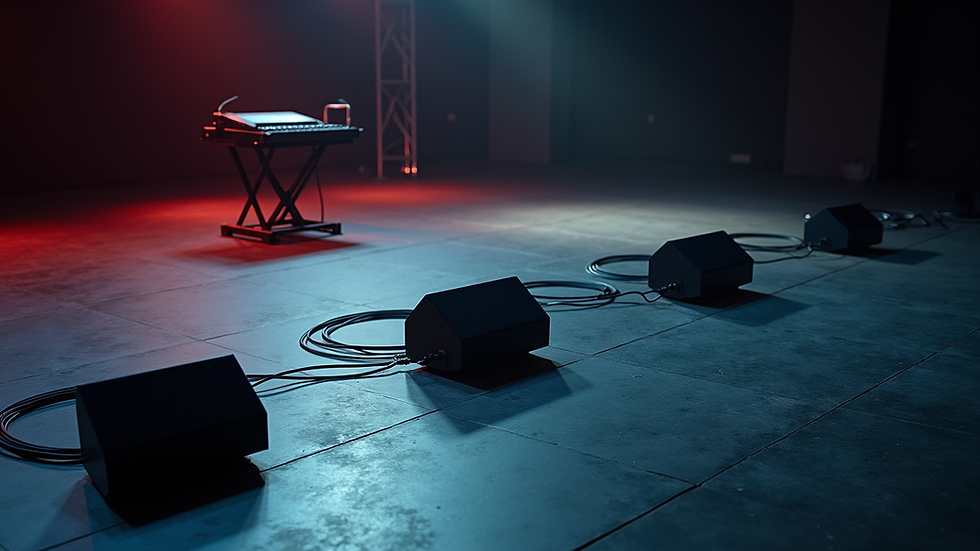
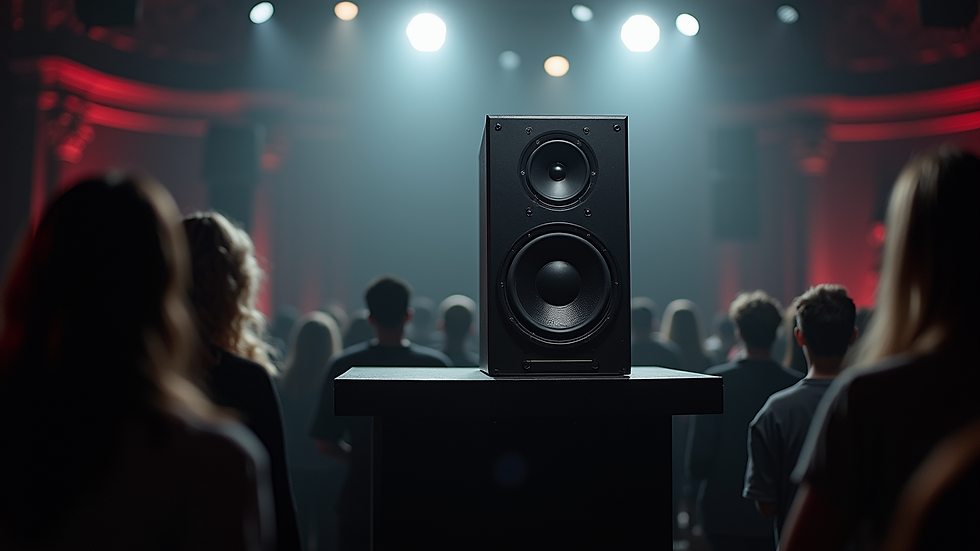
Speaker Placement: Position main speakers on either side of the stage, elevated on stands or flown from trusses. This ensures sound covers the audience area evenly.
Monitor Setup: Place stage monitors facing performers so they can hear themselves clearly.
Mixer Position: Set up the mixer in a central location with a clear line of sight to the stage.
Microphone Setup: Use dynamic microphones for vocals and instruments, and place them strategically to avoid feedback.
Sound Check: Conduct a thorough sound check with all performers to balance levels and adjust EQ settings.
Cable Management: Secure cables to prevent tripping hazards and signal interference.
By following these steps, you can create a professional concert sound experience that keeps the crowd engaged and energized.
Tips for Optimizing Sound Quality at Events
Achieving great sound quality is about more than just equipment. Here are some tips to optimize your setup:
Avoid Feedback: Position microphones away from speakers and use directional mics to reduce feedback.
Use Equalization (EQ): Adjust EQ settings on your mixer to enhance clarity and reduce muddiness.
Control Volume Levels: Keep volume at a comfortable level to prevent distortion and listener fatigue.
Consider Acoustics: Use sound-absorbing materials or curtains to minimize echo in reflective spaces.
Test Different Speaker Angles: Slightly angling speakers can improve sound coverage and reduce dead zones.
These adjustments can make a significant difference in how your event sounds.
Practical Setup Tips for Different Event Types
Different events have unique sound requirements. Here’s how to tailor your setup:
Weddings: Focus on clear speech for vows and speeches. Use wireless microphones for mobility and discreet speaker placement.
Corporate Events: Prioritize clarity for presentations. Use lapel or headset microphones and position speakers to cover the audience evenly.
Parties and DJ Events: Emphasize bass and volume. Use subwoofers and multiple speakers to create an immersive sound environment.
Adjust your equipment and settings based on the event’s specific needs to ensure the best audio experience.
Final Thoughts on DIY Event Sound Setup
Setting up a sound system yourself can be rewarding and cost-effective. With careful planning, the right equipment, and attention to detail, you can deliver professional-quality sound that enhances every event. Remember to test your system thoroughly and make adjustments as needed.
For more detailed guidance and expert recommendations, explore diy event sound setup tips to elevate your event audio to the next level.
By mastering these DIY sound setup techniques, you’ll be well on your way to creating memorable events with flawless sound and seamless support.


Comments