


Innovative Corporate Event Audio Solutions

When it comes to creating unforgettable events, sound plays a starring role. Imagine a wedding or a corporate gathering where every word is crystal clear, every note hits just right, and the atmosphere feels electric. That’s the magic of innovative corporate event audio solutions. I’m here to walk you through how cutting-edge audio technology and smart planning can transform your events from ordinary to extraordinary.
Why Corporate Event Audio Solutions Matter
Sound is more than just noise. It’s the heartbeat of any event. Whether it’s a keynote speech, a live band, or background music, the right audio setup can make or break the experience. Poor sound quality can leave guests frustrated and distracted, while great sound pulls everyone in and keeps them engaged.
Think of audio as the invisible thread weaving your event together. It sets the mood, highlights key moments, and ensures your message is heard loud and clear. For planners and renters, understanding the nuances of corporate event audio solutions is essential to delivering flawless events.
Key Benefits of Modern Audio Solutions
Clarity and Precision: Advanced microphones and speakers capture and project sound without distortion.
Flexibility: Wireless systems and portable gear adapt to any venue size or layout.
Integration: Seamless syncing with video and lighting enhances the overall experience.
Reliability: Professional-grade equipment reduces the risk of technical glitches.
Essential Components of Corporate Event Audio Solutions
Let’s break down the core elements that make up a top-notch audio setup for corporate events. Knowing these will help you plan smarter and execute smoother.
1. Microphones: The Voice of Your Event
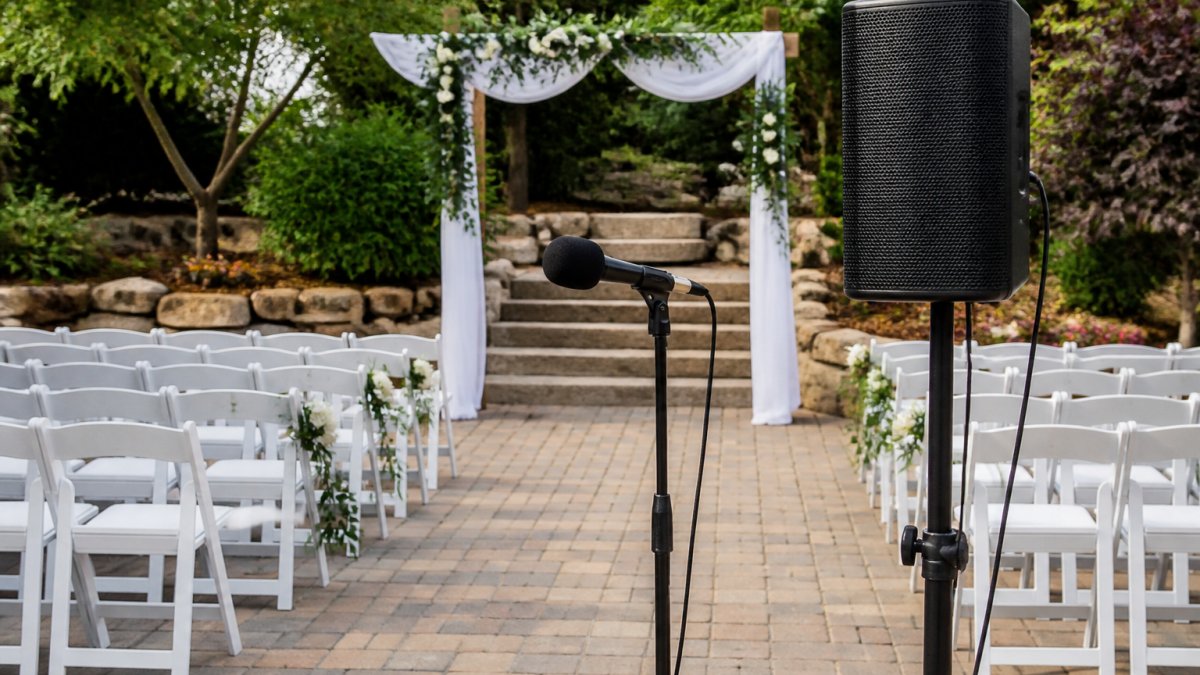
Choosing the right microphone is like picking the perfect pair of shoes - it has to fit the occasion. For speeches, lapel or headset mics offer hands-free convenience and clear sound. For panel discussions, go for boundary or handheld mics to capture multiple voices effortlessly.
2. Speakers: Filling the Room with Sound
Speakers come in all shapes and sizes. For large venues, line array speakers deliver powerful, even sound coverage. Smaller rooms benefit from compact, high-quality speakers that avoid overwhelming the space. Don’t forget subwoofers if your event includes music or multimedia presentations.
3. Mixers and Controllers: The Audio Command Center
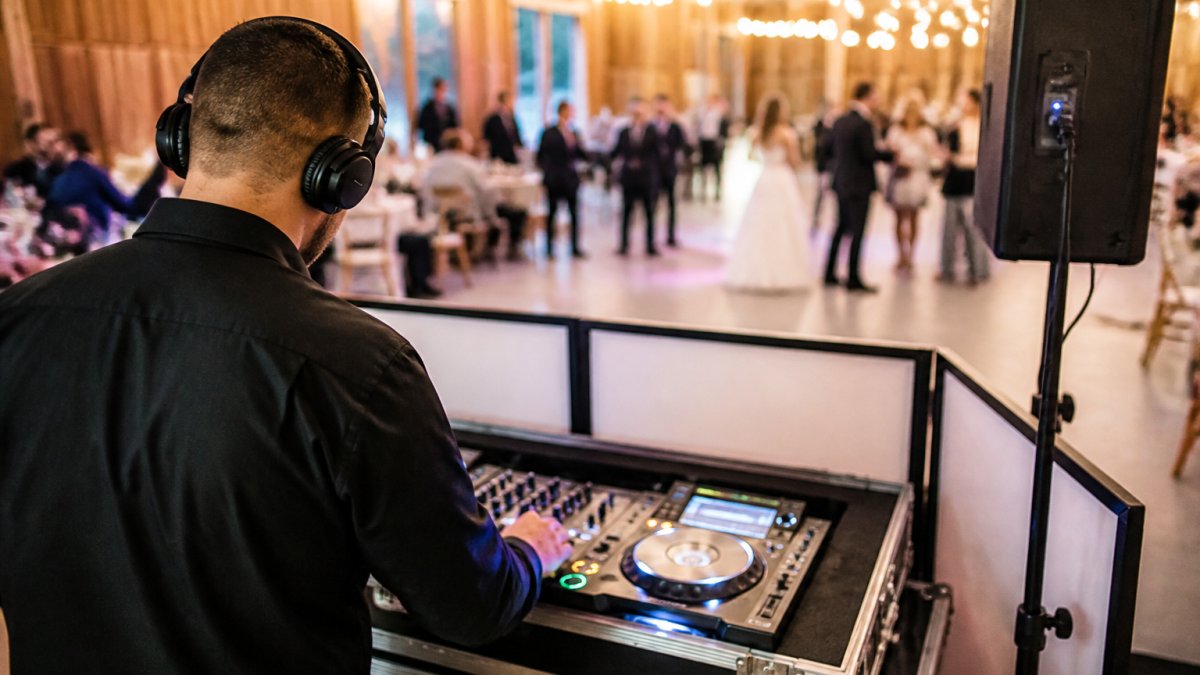
Mixers allow you to balance different audio sources, adjust volume levels, and add effects. Digital mixers with touchscreen interfaces make it easy to tweak settings on the fly. Controllers help manage wireless devices and ensure everything stays in sync.
4. Cables and Accessories: The Unsung Heroes
Reliable cables, connectors, and stands keep your setup stable and safe. Investing in quality accessories prevents annoying interruptions and keeps the focus on the event, not the equipment.

How to Choose the Right Audio Setup for Your Event
Every event is unique, so your audio solution should be too. Here’s a simple roadmap to help you pick the perfect setup:
Step 1: Assess the Venue
Size and shape of the room
Acoustics and ambient noise levels
Power availability and placement options
Step 2: Define Your Audio Needs
Number of speakers or presenters
Type of content (speech, music, multimedia)
Audience size and seating arrangement
Step 3: Select Equipment
Match microphones and speakers to your needs
Consider wireless options for flexibility
Plan for backup gear in case of emergencies
Step 4: Plan the Setup and Testing
Schedule time for sound checks
Adjust settings based on room acoustics
Train staff or volunteers on equipment use
Step 5: Provide On-Site Support
Have a technician available during the event
Monitor audio levels and troubleshoot issues quickly
The Role of Technology in Enhancing Audio Experiences
Technology is the secret sauce behind today’s most impressive corporate event audio solutions. From smart speakers to AI-powered sound optimization, innovation is reshaping how we experience sound.
Wireless Freedom
Gone are the days of tangled cables and limited mobility. Wireless microphones and speakers allow presenters to move freely and interact naturally with the audience. Plus, they speed up setup and teardown times.
Digital Signal Processing (DSP)
DSP technology cleans up audio signals, reducing background noise and echo. It ensures every word and note sounds crisp, even in challenging environments.
Integration with Visuals
Synchronizing audio with video presentations and lighting effects creates immersive experiences. Imagine a product launch where the sound perfectly matches the visuals, making the message unforgettable.

Tips for Renting Audio Equipment
If you’re renting audio gear, here are some insider tips to get the best bang for your buck:
Book Early: Popular equipment can get snapped up fast, especially during peak event seasons.
Know Your Specs: Provide the rental company with detailed info about your venue and event needs.
Ask About Support: Choose a rental service that offers on-site or remote technical assistance.
Test Before the Event: If possible, test the equipment in advance to avoid surprises.
Bundle Services: Some companies offer packages that include setup, operation, and teardown.
Making Every Moment Memorable
At the end of the day, the goal is simple: create events where every moment resonates. With the right audio setup, you can turn speeches into stories, presentations into performances, and gatherings into celebrations.
Remember, sound is the invisible thread that ties your event together. By embracing innovative corporate audio visual solutions, you’re not just renting equipment - you’re crafting experiences that stick with your guests long after the last note fades.
So, next time you plan an event, think beyond the basics. Dive into the world of smart audio technology, plan meticulously, and watch your events come alive with sound that sings.
Ready to Elevate Your Event Sound?
Don’t settle for mediocre sound. Invest in quality, plan ahead, and embrace innovation. Your guests will thank you, and your events will shine brighter than ever. After all, great sound isn’t just heard - it’s felt.

Comments